
Every year, Pinterest publishes Pinterest Predicts to give us a glimpse into what trends may be coming before they hit mass culture. The Pinterest Predicts 2026 edition is here.
According to Pinterest, 88% of their trends come true. Those are pretty good odds for marketers, designers, and creators looking to anticipate the zeitgeist of the near future.
In this blog post, we’ll be referencing the 21 trends Pinterest presents in its report. Instead of recapping the trends (we do suggest you read through all of them before digesting our blog), we’re breaking down what they reveal about where culture is headed—and what brands and creators should do to stay relevant.
Before breaking Pinterest’s predictions down by discipline, it’s worth calling out the patterns that show up across nearly every trend in the report.
Maximalism is winning.
After years of neutral palettes and stripped-back branding, people are craving more visual intensity. Boldness isn't a niche anymore.
Mass nostalgia is continuing its shift forward.
This isn’t about recreating the past exactly. It’s remixing it. Brooched, Throwback Kid, and Poetcore all pull from history but reinterpret it with modern styling and context.
Identity beats polish.
Imperfect, expressive, and personal content consistently outperforms overly refined aesthetics. Glitchy Glam literally rejects symmetry and performs better because of it.
When it comes to products and goods, people tend to search for vibes. That doesn’t mean features aren’t important, but let the aesthetics of your brand lead customers to your unique features. Pinterest search behavior shows that users enter through mood, look, and feeling, then discover products later.
Pinterest’s generational data makes this clear. Cool Blue skews Gen Z and Millennials, while Afrohemian Decor is driven by Boomers and Gen X. These aren’t universal trends, but they’re effective in their respective demographics.
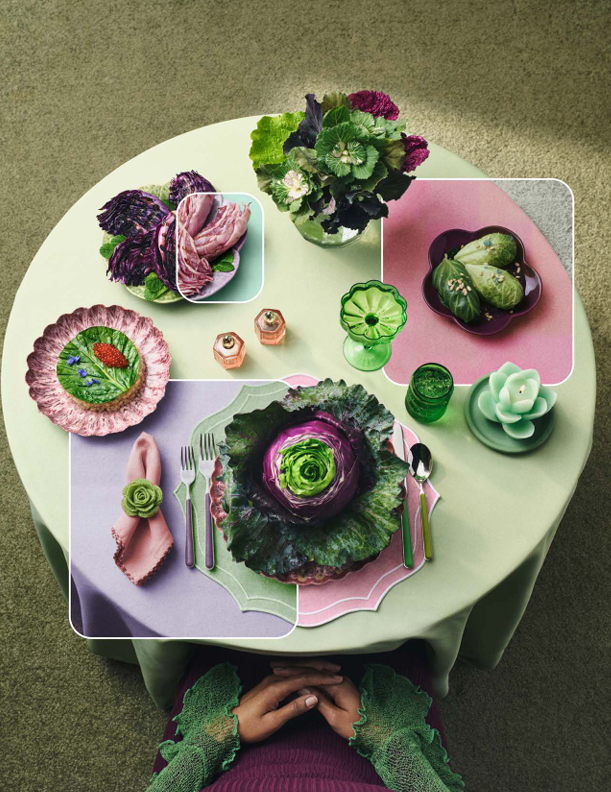
Pinterest’s Cabbage Crush trend is a standout example of this. A traditionally low-interest ingredient is reframed as playful, creative, and visually compelling—and suddenly it’s trending.
Gimme Gummy thrives on squish, stretch, shine, and bounce. This points to continued growth in tactile, sensory-first visuals—especially in short-form video.
Creators and everyday users on social media are embracing mismatch and imbalance. Overproduced, overly symmetrical content now risks feeling inauthentic. And with the rise of AI images and video, messy feels human (and human is shareable).
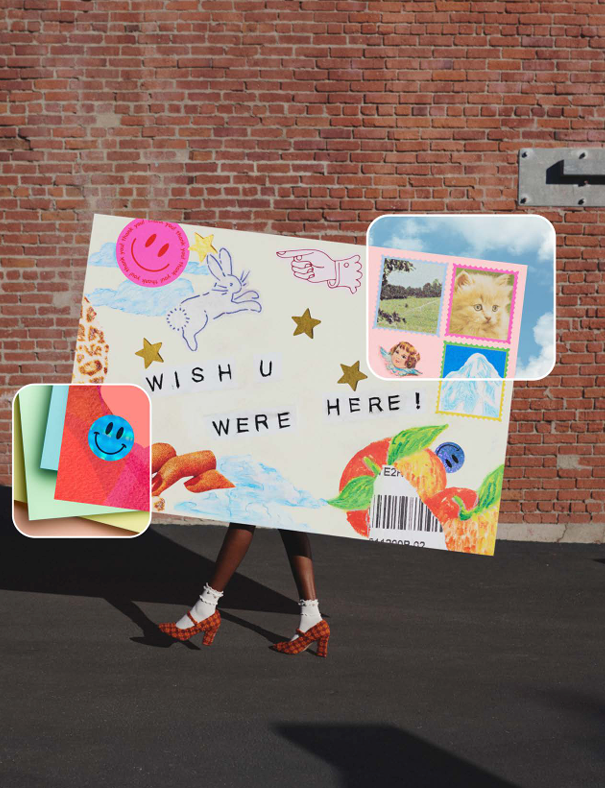
Pen Pals, Poetcore, and Opera Aesthetic romanticize slow, analog hobbies. Ironically, these offline fantasies translate beautifully to TikTok, Reels, and Pinterest Idea Pins.
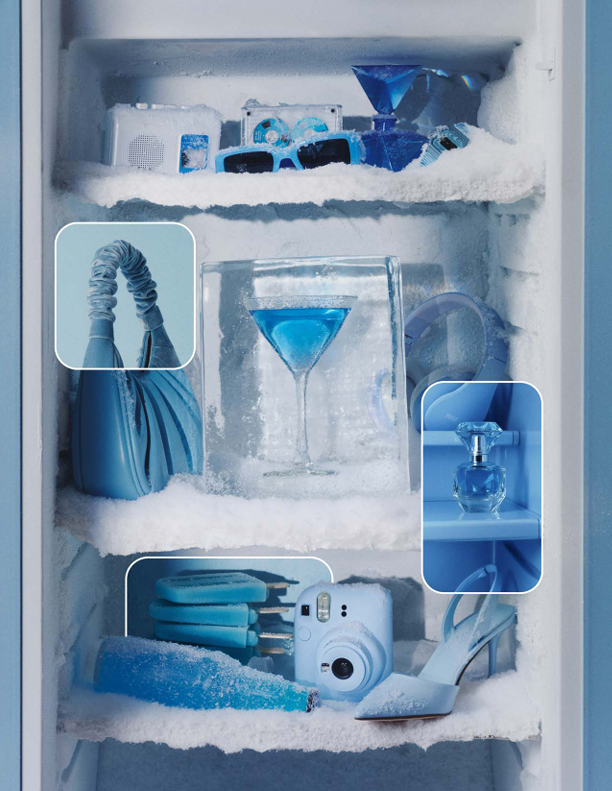
Cool Blue leans icy and restrained. Opera Aesthetic goes deep red and black. Safe neutrals are fading fast. Today’s design should express unmistakable contrast.
Across categories, we see lace, chrome, jelly finishes, crochet, brass, marble, and glass. Flat, purely digital aesthetics feel dated in comparison.
Trend titles themselves are decorative, bold, and stylized. Expect brand typography systems to loosen, allowing expressive moments without full rebrands.
From beauty looks to layouts, imbalance and tension are becoming desirable. Off-grid composition is a signal of modernity.
The brands that win in 2026 won’t be the ones reacting to trends once they’ve gone mainstream. They’ll be the ones paying attention to the signals early and translating them into creative, strategic decisions.
That means:
Pinterest also shared a companion report for businesses to understand how these trends should inform their decisions in 2026.
Need help positioning your brand on the digital stage? Reach out to our team at Random to strengthen your strategy and stay competitive in the year ahead.


