Is GEO the New SEO? What It Is and How You Should Optimize for It

Search engines are changing. Instead of giving a list of websites, many now give direct answers using artificial intelligence. These new tools are called generative engines. This change is affecting how websites are found. Traditional search engine optimization (SEO) is no longer the only method. A new approach, called Generative Engine Optimization (GEO), is becoming part of the search experience. Understanding the difference between GEO and SEO is important for anyone who creates content. Both are still used, but they work in different ways.

Is GEO the new SEO?

GEO isn't replacing SEO—they're more like teammates than rivals. SEO helps your content show up in regular search results, while GEO helps it appear in AI-generated answers.

When you ask a question on ChatGPT or see a Google AI Overview, you're interacting with a generative engine. These tools don't just link to websites—they create answers by pulling information from multiple sources.

This changes the game for content creators. It's no longer just about ranking #1 on Google; it's also about having your content selected by AI to create answers.

The term "GEO SEO" describes using both methods together. While they serve different purposes, they complement each other in the modern search landscape.

What is GEO?

Generative Engine Optimization (GEO) is the process of making your content AI-friendly so it gets used in answers from tools like ChatGPT, Google's AI Overviews, and Perplexity.

Unlike SEO, which focuses on ranking websites, GEO focuses on getting your content cited or included in AI-generated responses. Success in GEO means your information appears directly in the answer, often without users needing to click through to your site.

Think of it like this: SEO is about getting your restaurant on the map, while GEO is about getting your recipes featured in a cookbook. Both increase visibility, but in different ways.

What makes GEO different:

GEO vs. SEO: key differences and similarities

GEO and SEO might sound similar, but they work differently. Here's a simple breakdown of how they compare:

FeatureTraditional SEOGenerative Engine Optimization
Main goalRank higher in search resultsGet cited in AI-generated answers
Success metricsRankings, clicks, trafficAI citations, inclusion in answers
Content focusKeywords, backlinksClear facts, structured data
User journeyUser clicks your linkUser sees your info in AI answer
Technical needsSite speed, mobile-friendlySchema markup, entity tagging

Both approaches value quality content and user relevance. You can optimize for both at the same time, which is why "GEO vs. SEO" isn't really the right way to think about it. They're complementary strategies.

SEO helps users find your website through traditional search. GEO helps your information reach users through AI interfaces. Together, they cover more of the search landscape than either could alone.

Industries like healthcare, finance, and education might benefit most from GEO since they provide factual information that AI systems often reference.

AI systems like ChatGPT don't read the web the same way humans do. They process information using large language models that recognize patterns and relationships between words and concepts.

When someone asks a question, the AI looks for content that contains clear, factual information related to that topic. It prefers content that's well-structured, up-to-date, and comes from sources that demonstrate expertise.

"Entities" play a huge role here. An entity is a specific person, place, thing, or concept that AI can recognize—like "iPhone," "New York City," or "climate change." When your content clearly identifies entities and explains their relationships, AI can better understand and use it.

Here's how the process typically works:

Geographic SEO principles also apply here. When content includes clear location information, AI can better match it to location-specific queries.

Steps to optimize content for GEO

1. Focus on entities and structured data

Entities are the building blocks of how AI understands content. These are specific people, places, organizations, or concepts that have distinct identities. For example, "Nike," "climate change," and "Taylor Swift" are all entities.

To optimize for entities:

Structured data gives AI extra context about your content. Using schema markup (code added to your website) helps AI understand what type of information you're providing.

For example, adding Article schema tells AI systems that your content is an article with an author, publish date, and headline—not a product page or recipe.

2. Create clear, factual content

AI systems love content that provides straightforward facts and clear explanations. They're designed to find and share accurate information.

When creating content for GEO:

Avoid vague statements, exaggerations, or unsubstantiated claims. AI systems are getting better at recognizing and excluding low-quality or misleading content.

For example, instead of saying "our amazing product is the best on the market," say "our product features 24-hour battery life and weighs 3.2 pounds."

3. Structure content for easy understanding

How you organize your content matters as much as what you say. AI systems can better process information that follows a logical structure.

Effective content structure includes:

This approach helps both AI and human readers. When information is well-organized, AI can more easily extract the relevant parts to include in answers.

4. Apply geographic SEO principles

Geographic SEO still matters in the AI world. When content includes clear location information, AI can better match it to location-specific queries.

For local businesses or region-specific content:

This helps AI understand the geographic context of your content, making it more likely to be included in answers to location-based questions.

5. Monitor and adjust based on results

Unlike traditional SEO, there aren't many established tools for tracking GEO performance. But you can still monitor how AI systems use your content:

When you notice patterns in what gets included or left out, you can adjust your content strategy accordingly. This might mean restructuring information, adding more specific details, or clarifying certain points.

Why GEO matters now

AI is changing how people find information online. Instead of clicking through search results, many users now get answers directly from AI systems like ChatGPT or Google's AI Overviews.

This shift is happening fast. More people are using AI tools every day, and search engines are integrating AI features into their results pages.

For content creators and businesses, this means adapting to a new reality. If your content isn't optimized for AI systems, you might miss out on visibility even if you rank well in traditional search.

The benefits of GEO include:

The future of search with GEO

The search landscape is evolving quickly. AI-generated answers are becoming more common, and traditional search results are changing to include more AI features.

In the coming years, we'll likely see:

Search engines are trying to balance the convenience of AI answers with the depth and diversity of traditional results. This creates a hybrid environment where both SEO and GEO strategies are valuable.

The relationship between SEO and geo strategies will continue to develop. They'll likely become more interconnected as search platforms evolve, with techniques from each approach influencing the other.

Combining GEO with your content strategy

Adding GEO to your existing content strategy doesn't mean starting from scratch. Many good content practices already support both SEO and GEO.

At That RANDOM Agency, we approach GEO as an extension of storytelling. Clear narratives with well-structured information help both humans and AI systems understand your content. When information is presented in a logical, factual way, it's more likely to be used in AI-generated answers.

The key is creating content that serves multiple purposes—ranking in search results, engaging human readers, and providing clear information for AI systems.

By focusing on quality, accuracy, and structure, you can create content that performs well across the entire search ecosystem, from traditional results to the newest AI interfaces.

Want to learn how your content can thrive in this changing landscape? Request a proposal to see how we can help.


FAQs about GEO and SEO

How do I know if my content is being used in AI answers?

You can test by entering questions related to your content into AI systems like ChatGPT or Google Search and seeing if your information appears in the answers. Some analytics platforms are also beginning to track traffic from AI sources.

Can small websites compete with big brands in GEO?

Yes! GEO often focuses more on the quality and structure of information than on domain authority. Small websites with clear, well-structured content can absolutely appear in AI-generated answers alongside bigger competitors.

Geographic SEO remains very important. Location information helps AI systems match content to location-specific queries, making geographic signals a valuable part of both traditional SEO and GEO strategies.

Why Private Online Communities Are the Future of Social Media Engagement (And 5 Creative Ways Brands Can Use Them)

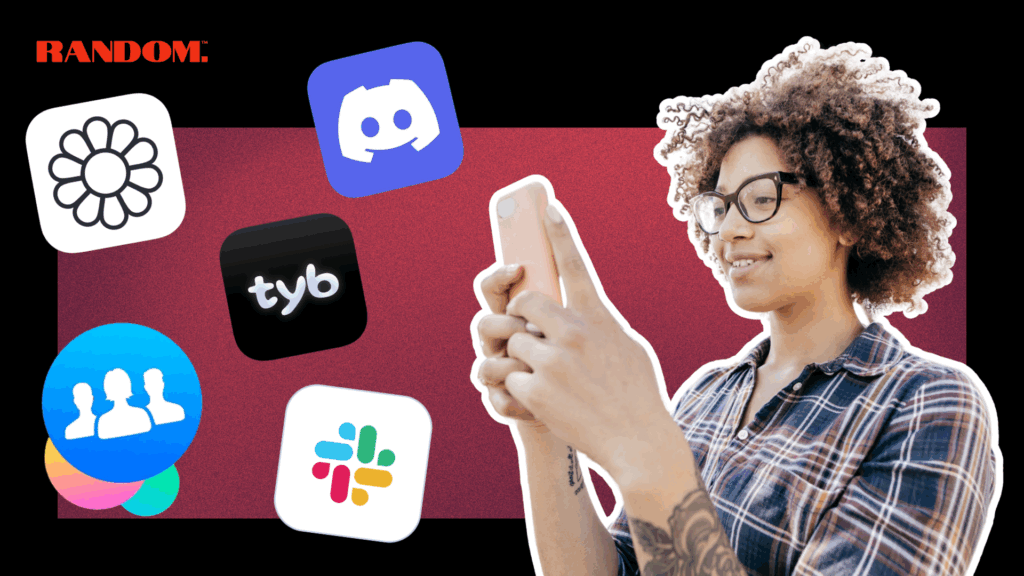
The social media landscape is undergoing a significant transformation. Users are increasingly gravitating toward private online communities that offer more meaningful and authentic interactions. Platforms like Discord, Facebook Groups, and Instagram's Broadcast Channels are at the forefront of this shift, providing spaces where users can engage without the noise of public feeds.

This move toward private spaces is a strategic opportunity for brands to foster deeper connections and drive engagement.

The Data Behind the Movement Toward Private Online Communities

Both user behavior and platform innovation are driving the shift toward private digital spaces. Over half of users now prefer engaging in private or semi-private settings—like group chats, forums, or invite-only communities—over traditional public feeds, according to Sendible’s 2024 Social Media Trends Report. This reflects growing fatigue with algorithm-heavy content and a desire for more authentic, meaningful interactions.

Platforms are adapting quickly. Discord, once gamer-centric, now supports over 200 million monthly users across creators, educators, and brands, thanks to its customizable server model and high engagement (Helplama). Facebook, despite broader user declines, continues to see strong activity in Groups, with Meta’s Q4 2024 earnings citing steady or rising participation (Meta).

Instagram has also embraced this trend, launching Broadcast Channels, Close Friends for Feed, and enhanced DMs to promote more intimate, direct communication (Sendible).

These updates show a clear pivot away from mass visibility toward smaller, trust-based communities, giving brands new opportunities to connect in more personal, context-driven ways.


Why This Shift Matters for Brands

Private communities offer brands a unique opportunity to:


5 Nontraditional Ways Brands Can Use Online Communities

When most people think of online communities, they picture support forums or casual fan groups. However, the most innovative brands are tapping into these spaces creatively and unexpectedly beyond standard customer engagement. Here are five powerful (and nontraditional) strategies for using private communities to grow and energize your brand:

1. Run Private Product R&D Labs

Online communities provide a direct pipeline to your most loyal and invested customers, making them the perfect environment for collaborative product development. Brands increasingly create private “labs” on platforms like Discord or Facebook Groups where select customers can help brainstorm new products, vote on upcoming releases, and provide real-time feedback on early prototypes. Not only does this lead to better products that reflect actual user needs, but it also builds deep loyalty. When people feel like they’ve helped shape something, they’re far more likely to buy and advocate for it.

IN THE REAL WORLD: LEGO

LEGO has established the LEGO Ideas platform, inviting fans to submit and vote on new product concepts. LEGO reviews projects garnering over 10,000 votes for potential production. This approach fosters community engagement and streamlines product development by tapping directly into customer creativity.

2. Create Content Co-Creation Hubs

Content creation doesn’t have to be a one-way street. Innovative brands are inviting community members to be part of the storytelling process. Through private groups or Instagram’s Broadcast Channels, brands can invite users to contribute ideas, submit user-generated content, or even help script upcoming campaigns. For example, a beauty brand might post poll options for a new campaign tagline or ask members to test and review an upcoming product. This not only makes content more relatable and authentic, but it turns passive followers into active creators.

IN THE REAL WORLD: SEPHORA

Sephora's Beauty Insider Community is a space where members can share beauty tips and product reviews and participate in discussions. This user-generated content enriches the community experience and provides Sephora with authentic content for marketing and product development insights.

3. Host Micro-Events or Learning Sessions

Think of your private community as a pop-up event space or classroom. Rather than relying solely on public webinars or social media Lives, brands use their private groups to host exclusive, small-scale events. These might include live Q&As with founders, behind-the-scenes factory tours, product demos, or educational workshops tailored to the group’s interests. Because these sessions are invite-only, they create a sense of exclusivity and intimacy that drives attendance and interaction. A bonus? These events often foster a two-way dialogue, allowing you to learn as much from your community as they do from you.

IN THE REAL WORLD: GENERAL ELECTRIC

General Electric launched FirstBuild, a co-creation community that hosts micro-events and workshops to develop innovative home appliances. By engaging directly with users in these sessions, GE accelerates product development and fosters a sense of ownership among participants.

4. Offer VIP Access to Support and Loyalty Perks

Private communities are the perfect environment to recognize and reward your most engaged followers. Many brands use them to offer faster customer support, early access to product drops, or surprise loyalty perks. For example, an e-commerce brand might set up a private Facebook Group where top customers can access a concierge-like support experience, or a pizza truck might share its weekend menu early with a Discord-only community. Gamifying this experience—offering perks based on engagement or referrals—can turn community participation into a badge of honor.

IN THE REAL WORLD: CHARLIE HUSTLE

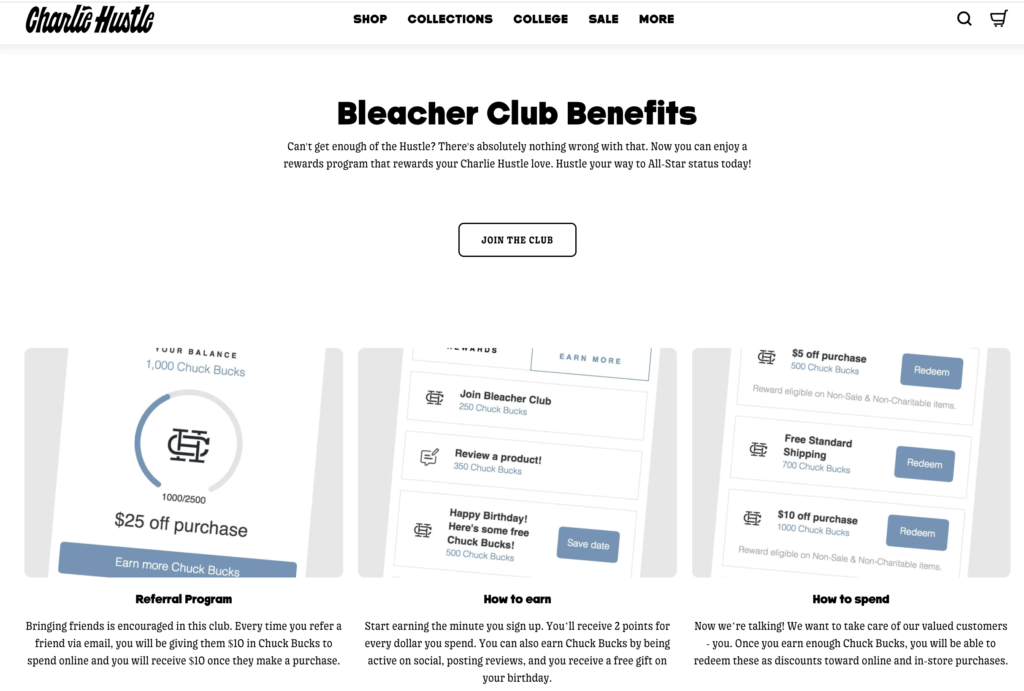
Charlie Hustle, a vintage-inspired apparel brand, offers its Bleacher Club members tiered rewards, including exclusive event invitations and early product access. This VIP program enhances customer loyalty and encourages repeat engagement. 

5. Test Paid Membership Models Without a Full App

Launching a membership model doesn’t have to start with a custom app or complicated subscription infrastructure. Instead, many brands pilot premium content, early access, or paid perks directly through private communities. Platforms like Circle, Geneva, or even gated Facebook Groups allow you to offer exclusive value, like digital downloads, private coaching, or insider sales, to members who subscribe. This approach lowers the barrier to entry, helps you validate demand, and creates a test environment before scaling the offering to a broader audience.

IN THE REAL WORLD: TRY YOUR BEST (TYB)

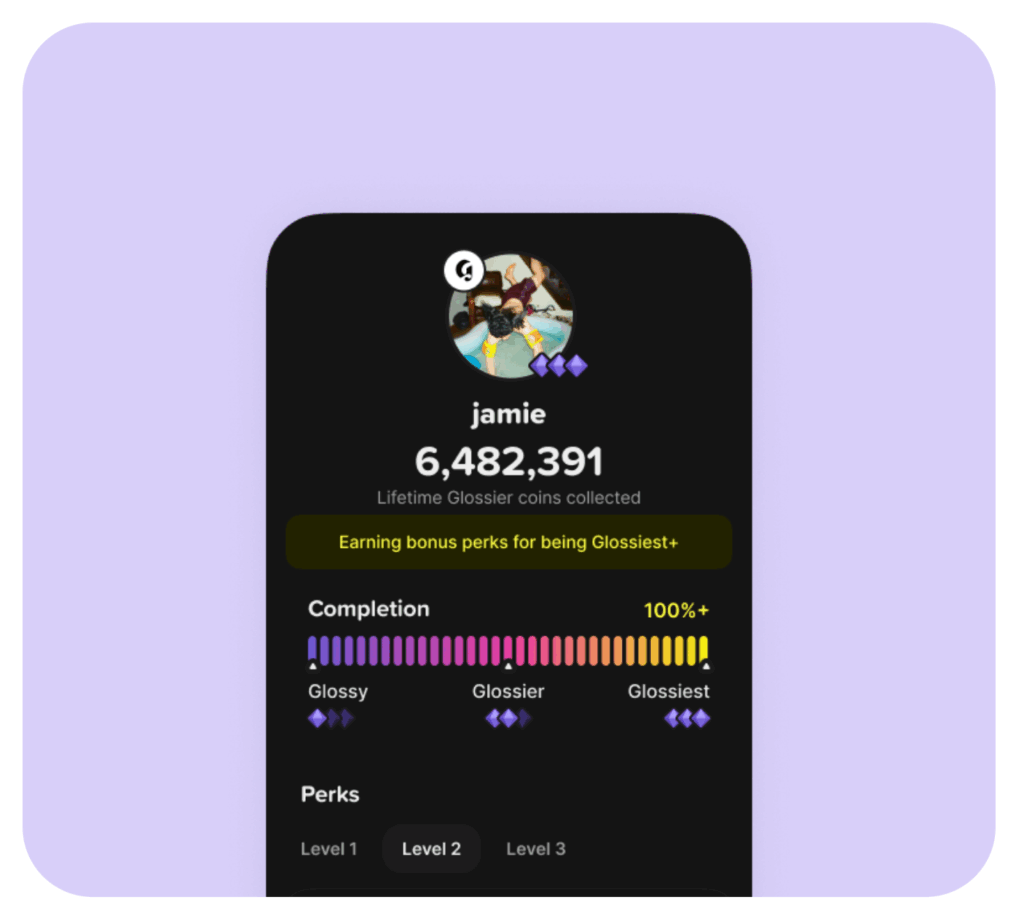
Try Your Best (TYB) is a Web3 platform enabling brands to build paid membership communities without developing standalone apps. Brands like Outdoor Voices and Glossier use TYB to offer members exclusive access to product feedback opportunities and rewards, fostering deeper brand-consumer relationships.


How to Choose the Right Platform

PlatformBest ForKey Features
DiscordTech-savvy audiences, gaming communitiesVoice/video chat, customizable servers, integrations
Facebook GroupsBroad audiences, community buildingEvent planning, group insights, moderation tools
Instagram ChannelsVisual content, influencer engagementBroadcast messages, polls, direct engagement
SlackProfessional communities, B2B engagementReal-time messaging, app integrations, file sharing

Final Thoughts: The Future Is Private

The evolution of social media toward private communities reflects a broader desire for meaningful, authentic connections. Brands that recognize and adapt to this shift can cultivate loyal communities, gain valuable insights, and drive sustained engagement.

Are you ready to start building a community around your brand? Reach out to the RANDOM team today. 

May 2025 Social Media Updates You Need to Know

May brought more than just flowers—social media updates are blooming too. 🌸 From fresh features to major tests, here’s what’s sprouting this month. Let’s dive in.

Instagram Tests New Cross-Posting Feature to Threads

Instagram is rolling out a new feature that could simplify content sharing, especially for creators and brands managing multiple platforms. Meta has begun testing a cross-posting option from Instagram to Threads, allowing users to automatically share their image posts across both platforms in just one tap.

Threads screen

How does cross-posting on Instagram and Threads work? Well, we’ll tell you! When enabled, the caption from your Instagram post becomes the text of your Threads post, making it quick and seamless to stay active on both platforms without duplicating your efforts. Hashtags will be converted into plain text, and the feature is currently limited to image posts. Reels aren’t included (for now).

For creators, marketers, and small business owners, time is often a commodity. This new feature will unquestionably speed up the posting process while boosting visibility across audiences. With Threads continuing to grow as a platform for real-time conversations and community-building, this is a smart way to keep your content flowing without doubling your workload.

TikTok Tests 60-Minute Video Uploads

TikTok is making big moves toward long-form content. As of May 2025,  the app is testing the ability for users to upload videos up to 60 minutes long, which is a significant shift that could position the app as a direct competitor to YouTube.

TikTok update

This feature is currently only available to a limited group of users in select markets. But the potential impact? Huge. TikTok has slowly evolved from 15-second clips to 1-minute, 3-minute, and now 10-minute uploads. This test seems like a natural next step in its content evolution.

TikTok hasn't announced when or if this feature will roll out globally, but whether you're a brand, creator, or casual scroller, get ready. The future of TikTok might be longer than you think.

Job hunting on LinkedIn just got a whole lot smarter.

LinkedIn screen

In May 2025, LinkedIn rolled out a new AI-powered job search tool that lets users describe the kind of job they want using natural, conversational language. No filters, no guessing job titles, and no worrying about using the “right” keywords.

No more sifting through endless listings or trying to decipher corporate vernacular. You can now type something like, “I want to work in marketing in the video game industry, but I have no experience,” and the AI will generate tailored job recommendations based on your wants, not just your resume.

This new feature reflects LinkedIn’s broader push to create a more human-centered, intuitive job search experience. As AI becomes more integrated into our professional lives, tools like this show how tech can simplify how we connect with opportunities.

That’s a wrap! See you next month. 👋
Looking for help to implement the latest social media updates and trends? Reach out to us today!

Instagram SEO Guide: How to Get Discovered and Rank in 2025

Instagram SEO isn't optional anymore. Here's how to do it right.

Ready to finally rank on Instagram? Spoiler alert: it’s not just about pretty pictures or dumping 30 hashtags on every post. It’s about Instagram SEO – the art and science of making your profile and posts discoverable in Instagram’s search results and Explore page. With over a third of young consumers using it to discover brands (Wordtracker), understanding Instagram SEO isn’t optional – it’s your secret weapon. This guide breaks down what Instagram SEO is, why it matters, and how to master it confidently.

What Is Instagram SEO?

Instagram SEO (Search Engine Optimization) means optimizing your content so the Instagram algorithm understands what you're about and shows your posts to users searching for content like yours. This includes optimizing your captions, hashtags, alt text, and visuals so your profile and content appear in search results.

When someone searches a keyword on Instagram, you want your content or profile to pop up. Think of Instagram as a visual search engine. Your goal? To speak its language using the right signals.

How Instagram Search Works

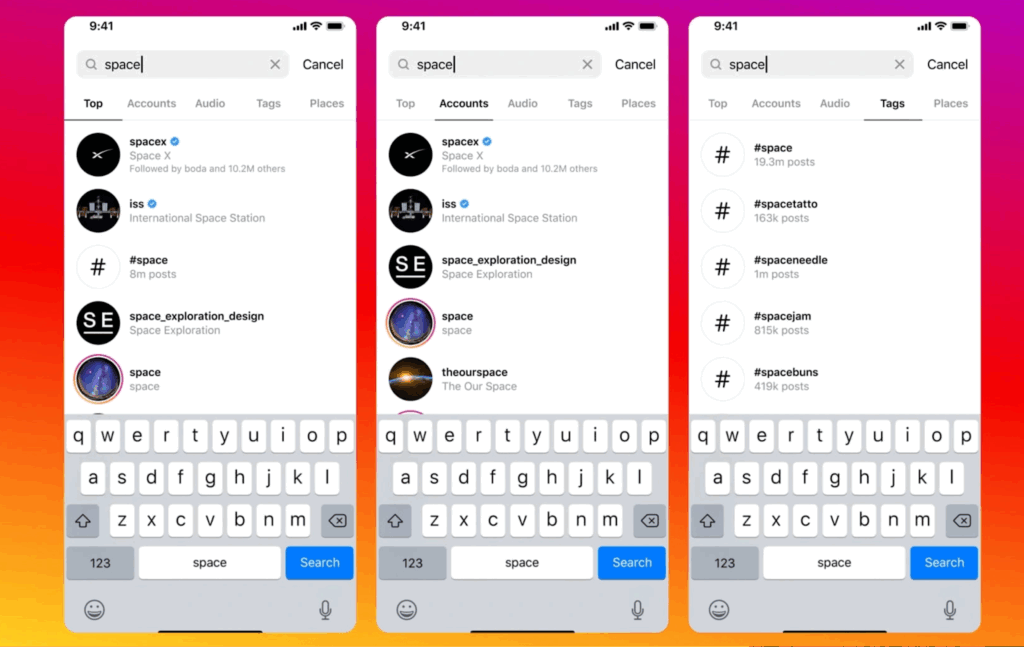
When you search "interior design" on Instagram, you’ll see:

Keywords matter in all these areas. Your bio, username, caption, and hashtags all help Instagram surface your content to the right users.

The Core Elements of Instagram SEO

Instagram ranks search results based on several factors. Understanding these helps you optimize more effectively.

1. Text-Based Signals

Words matter. The algorithm scans:

Instagram’s head, Adam Mosseri, says the top factor for search ranking is the keywords users type in. You’re more likely to show up if your content contains those keywords. (SEMrush) That means writing descriptive captions and using relevant keywords.

2. Engagement Signals

Instagram also considers how people engage with your content. Posts with more likes, comments, shares, and saves are ranked higher. High engagement tells Instagram that your content is valuable. A Shopify report confirms that Instagram leans on these metrics when ranking content, especially when competition is high.

3. Hashtag Relevance

Hashtags are still helpful, but strategy matters. Instagram recommends using 3–5 relevant hashtags rather than a block of 30. According to Hootsuite, keyword-rich captions often outperform posts overloaded with hashtags. Choose hashtags that are:

A 2022 test by Hootsuite showed that posts with keyword-rich captions and fewer hashtags achieved 30% more reach than those with hashtags alone.

4. Visual and Behavioral Signals

Instagram can detect what’s in your image or video. It also looks at dwell time – how long someone watches or looks at your post. Longer dwell time signals better content. On the Explore page, content that holds a viewer’s attention for more than 5 seconds is more likely to be shown (Hootsuite).

5. Alt Text

Alt text was built for accessibility, but it also helps SEO. Add alt text to describe your image clearly and include keywords naturally. Hootsuite notes that the algorithm reads this information to better categorize your post.

Mastering Keyword Placement on Instagram

Keywords are the backbone of Instagram SEO. But they have to feel natural.

Blend Broad and Niche Keywords

Use a mix in your captions:

This helps you show up in both general and specific searches.

Rotate Keywords

Don’t copy/paste the same captions and hashtags. Change up how you phrase things. Instead of always saying “social media tips for entrepreneurs,” try variations like “how new business owners can improve their social media.”

Hashtag Smarter

Use 3–5 high-quality, relevant hashtags per post:

Keep them in the caption. Hashtags in comments aren’t indexed as strongly (SEMrush).

Don’t Forget Alt Text

Always write accurate, keyword-friendly alt text for your photos. For example: "Overhead shot of a homemade vegan lasagna in a baking dish."

Optimizing Your Instagram Profile

Your profile is one of the most important pieces of real estate. Here’s how to make it SEO-friendly:

Use Keywords in Your Handle and Display Name

Your username should reflect your brand or niche. If your handle is @randomagency, your display name should say something like “Random Agency | Social Media Marketing."

According to Social Media Examiner, your display name is one of the most important fields for SEO.

Example of an Instagram profile optimized for SEO. The username is reallittlemeals.

Write a Keyword-Rich Bio

In 150 characters, explain what you do and who you help. Example: "DIY crafting guru sharing tutorials & handmade inspo."

Choose the Right Category

The profile category (e.g., Entrepreneur, Personal Blog) adds context and may help with discoverability.

Highlight Your Best Content

Use Story Highlights to showcase your value. Label them clearly: “Services,” “Tutorials,” “Tips,” etc. They don’t help SEO directly, but they keep people engaged longer.

Add a Call-to-Action

Prompt profile visitors to act. Example: "👇 Download our free social media guide" or "Watch our latest tips in Reels."

Instagram SEO Tactics That Work

If you’re wondering, “how does Instagram SEO work?” here’s what to do:

Match Search Intent

Create content that people are actually looking for. Use Instagram’s search bar to discover common queries. If "how to style a summer dress" appears, make content around that phrase.

Optimize Profile for Clarity

Audit your profile with fresh eyes. Can someone tell what you offer in 3 seconds? If not, tweak your handle, display name, and bio.

Be Consistent

Stick to a posting schedule and format. Visual and content consistency make you more recognizable and trustworthy. Hootsuite recommends regular posting to stay higher in the feed and search visibility.

Create Engaging Content Formats

Use Reels, carousels, and Stories. Carousel posts with tips get saved and shared more. Reels have high reach potential. Stories with polls and stickers increase micro-engagement. According to Hootsuite, high engagement through stickers or interactive tools boosts your visibility.

Use New Instagram Features

Instagram favors early adopters. Try new tools, effects, or sticker types to get a small algorithmic boost.

Action Steps to Improve Instagram SEO

Here’s how to get started:

1. Write Keyword-Rich Captions: Include one or two phrases people search for. Do it in your own voice. Don’t sound like a robot.

Action: Make a list of 5–10 keywords for your niche. Use them naturally in your next few posts.

2. Use 3–5 Relevant Hashtags: Ditch the generic ones. Choose hashtags that describe the actual content.

Action: Use one broad, one niche, and one branded hashtag in your next post.

3. Optimize Your Profile: Add a keyword to your display name. Add a clear value-driven phrase to your bio.

Action: Edit your profile so it clearly states who you are and what you offer and includes at least one keyword.

4. Boost Engagement: Use Story stickers, post shareable content, and ask questions in captions to increase interaction.

Action: Post a Story with a poll or question today. Watch how engagement changes.

5. Increase Dwell Time: Create content that makes people pause and interact, like carousel tips, checklists, or long captions.

Action: Design one save-worthy post this week. Check Insights for saves and shares.

6. Stay Consistent: Stick to a posting rhythm. Don’t disappear for weeks. Instagram likes active accounts.

Action: Choose a posting schedule (e.g., 3x per week) and set reminders to stay consistent.

Final Thoughts on Instagram SEO

Instagram SEO is all about showing up where your audience is searching, speaking their language, and consistently offering valuable content.

Need some help putting together your strategy? We can help. Reach out to the RANDOM team today. 

April 2025 Social Media Updates You Need to Know

Collage Style graphic

The social media world is blooming with updates, and April brought plenty of fresh features worth knowing. Let’s dive in.

Instagram Just Dropped a New Reels Feature—Blend

Instagram is rolling out a fresh feature for Reels, and it’s all about shared vibes and personalized content. Meet Blend—a new way to discover Reels WITH your friends, not just from them.

What is Instagram Blend?

Blend is a shared Reels feed between you and a friend (or a group chat). It takes both of your content preferences and creates a personalized stream of Reels you’ll both enjoy.

Once you’re in a DM with someone, tap the smiley face icon and hit “Create Blend.” Your friend will get an invite, and once they accept, you’ll start seeing a feed of Reels that reflect both of your interests. The feed updates daily, so there’s always something new to scroll through together.

Why Was Blend Created? 

We’re seeing a shift toward more private, shared experiences on social platforms—people want to send funny videos to friends rather than post everything on the main feed. Blend leans into that behavior, making exploring content as a duo or group easier (and a little more fun).

Whether you and your bestie both love chaotic cooking videos or can’t stop watching pet Reels, Blend serves up the perfect mix. It’s also a great way to discover creators you might not have found on your own.

TikTok Deadline Extended

The TikTok saga continues. The U.S. government has once again extended the deadline for TikTok’s U.S. operations, this time to mid-June 2025.

For months, creators and brands have wondered: Should we keep investing in TikTok? With the deadline pushed again, the short answer is “yes”. TikTok remains fully operational in the U.S., and engagement hasn’t slowed.

The extended timeline also gives marketers and agencies breathing room to prep for potential platform shifts without pulling the plug too early. So while we don’t love the uncertainty, we are happy one of social media’s most powerful platforms is sticking around, at least for a little longer.

Instagram Says Goodbye to Content Notes

Another feature bites the dust. Instagram has officially pulled the plug on Content Notes, which allowed users to add a short message to posts or Reels and share it with those who followed them back or their Close Friends list. While some users enjoyed the feature, others barely noticed they existed.

Instagram head Adam Mosseri announced that the feature is being removed to simplify the experience and because it was not “adoptable.” Notes will remain in DMs—where they’ve seen strong use—but won’t clutter other areas of the platform moving forward. It’s part of a broader effort to make Instagram feel less overwhelming.

With Content Notes out, expect Instagram to keep testing new ways to spark private sharing. The app is leaning into messaging, but only where it actually adds value. And as always, features that don’t perform won’t last.

RIP Notes. You were quirky, short-lived, and surprisingly poetic (if only for a few months).

That’s a wrap! See you next month. 👋

Looking for help to implement the latest social media updates and trends? Reach out to us today!

Random Round-Up: March 2025 Social Media News and Updates

Title Picture

Spring has sprung, and so has the social media news, so let’s dive into the latest and greatest updates from March. 

Instagram Drops “Edits”

In a bold move to reclaim the attention of creators (especially as TikTok faces ongoing scrutiny), Instagram is stepping into the editing ring with its new app called Edits.

Edits is a tool designed for creators who want more video editing power in the palm of their hands. Think of it as a CapCut’s new competitor, but with  Instagram’s stamp of approval.

Instagram "Edits"

Check out some of the features of Edits that we can’t wait to try:

🎥 Pro-Grade Video on Mobile

Record up to 10-minute clips with fine-tuned control over resolution, frame rate, and dynamic range.

✂️ Editing, Supercharged

From green screen effects to video overlays, single-frame edits, and even AI image animation, Edits goes far beyond Instagram’s in-app tools. Plus, loads of fonts, stickers, filters, and sound effects to layer on your style.

📊 Performance Insights, Unlocked

A live dashboard shows who is engaging (followers vs. non-followers), skip rates, and more—giving you the data to fine-tune future posts.

📲 Made to Share, Made for IG

Export in crisp 1080p and share directly to Instagram. (But don’t expect a boost in the feed just for using the app—Instagram clarified that’s not happening. Yet.)

Instagram "Edits"

Currently in pre-order on the iOS App Store (launching April 30), Edits is Instagram’s strongest signal yet that it’s ready to support creators beyond filters and feed posts. For the Android users out there, don’t worry. Edits is making it’s way to you next, and could become the go-to for Reels-ready content for all creators. We’re looking forward to getting our hands on it!

BuzzFeed Island Launch

BuzzFeed is diving into the digital landscape with the launch of BuzzFeed Island, its very own platform designed to bring back the fun - and even ditch the fear - of social media. Created by CEO Jonah Peretti, this new venture is a direct response to the digital fatigue caused by doomscrolling and the SNARF-fueled (Stakes, Novelty, Anger, Retention, Fear) content that dominates our feeds.

BF Island is shaping up to be a joyful, AI-powered playground for creativity. Think Midjourney meets memes, where users can craft content that reflects their real interests, and not what an algorithm thinks will keep them push their buttons and stay online. Instead, BuzzFeed promises a shift from manipulation to inspiration, letting users explore social content that uplifts rather than creates fear.

BuzzFeed Island

Backed by a $10 million investment, BuzzFeed Island is currently in a private beta testing phase. When it launches, the platform will use a freemium model, offering basic access with paid upgrades for users. 

Whether this new platform can disrupt other channels like Instagram and TikTok remains to be seen, but one thing’s clear. BuzzFeed isn’t just chasing clicks anymore; it’s building a whole new digital island to escape to.

Want to vist the island early? You can request access here.

Instagram’s Latest Test: AI-Generated Comments

Umm, we don’t know why anybody would want to do this, or even why Meta would think anybody would want this, BUT…

Meta is now testing AI-generated comment suggestions on posts, blending machine learning with social engagement—and yes, it’s as wild as it sounds. This tool - called "Write with Meta AI” - provides users with comment options based on the content of the post that they are viewing. 

Instagram comments

Meta’s play here is part of a larger mission: embedding AI into more corners of Facebook and Instagram, aiming to enhance interactions in areas such as comments, feeds, groups, and search. No big surprise here, but the feature is already stirring up mixed feelings.

On one hand, it’s a time-saver and a creativity booster for those blank-comment moments. On the other hand, it’s starting to raise serious questions about the authenticity of social interaction.

As this feature is still in the testing phase, it's unclear when or if it will be rolled out to all users. Meta has not provided specific details of the timeline or scope of a release.

Cringy or cool? The verdict is still out. 

That’s a wrap! See you next month. 👋

Looking for expert insights on the latest social media updates and trends? We’ve got you covered; reach out to us today!

Random Round-Up: February 2025 Social Media News and Updates

Let's dive into the latest social media updates and news from February!

The New TikTok Studio Update

Apple and Google have reinstated TikTok on U.S. mobile app stores, bringing an end to a nearly month-long standoff with the video platform following the implementation of a ban in January. Notably, TikTok has finally introduced post-scheduling within its TikTok Studio management tool. This offers a more streamlined approach to content management and analytics, all in one place (note: the TikTok and TikTok Studio apps were removed from the Apple and Google Play stores, but as of this writing have reappeared). While third-party tools have long offered scheduling capabilities, this built-in functionality enhances and even improves the convenience. It also simplifies the process. With the ability to edit and update scheduled posts already available, the addition of direct scheduling makes TikTok Studio an even more powerful tool for creators and brands for managing social media updates. 

TikTok Studio Update

Poppi’s Pricey PR Move

With the recently wrapped Super Bowl comes a surge of social media attention, particularly focused on the highly anticipated commercials and how brands respond (with each 30-second ad spot costing around $8 million).

Influencer with Poppi Vending Machine

Influencer with Poppi Vending Machine

Poppi, a sparkling prebiotic soda brand, is facing backlash for its Super Bowl marketing strategy. The ad, entitled “Soda Thoughts”, starred influencers like Alix Earle, Jake Shane, and Rob Rausch. Even though the ad itself was great, the marketing campaign leading up to it now has faced some criticism.

Ahead of the event, the company gifted 32 influencers including Jake Shane, Rachel Sullivan, and Avery Woods each a $25,000 vending machine stocked with Poppi drinks, as an attempt to generate buzz. However, the campaign quickly sparked criticism over wastefulness and exclusivity. Instead of excitement, fans voiced frustration. They argued that the brand should prioritize accessibility over gifting expensive machines to already wealthy influencers and rethink their social media updates.

The controversy ignited a larger debate about influencer marketing tactics and budget allocation. In response, competitor Olipop seized the moment, sending free products to users who had criticized Poppi’s approach. This raises an important question: how will other brands adapt their influencer marketing strategies in light of this debate? We’re fizzing with excitement to see the social media updates on how brands will respond.

Meta Cuts Jobs to Fuel AI Talent

It looks like Meta CEO Mark Zuckerberg is making headlines once again. In February, Meta Platforms Inc. began notifying employees of mass layoffs, cutting thousands of jobs as the company cracks down on “low performers” and shifts its focus to AI dominance. Zuckerberg announced that Meta would reduce its workforce by 5%, specifically targeting those who “aren’t meeting expectations.” However, many employees were blindsided. Some, even those who had consistently exceeded expectations for years, expressed shock over their termination and discussed it on social media updates.

Layoff

As Meta moves full speed ahead in the AI race, the company plans to spend $60-$65 billion on research and technology this year. This is a MASSIVE jump from the $39 billion spent in 2024.

That’s a wrap! See you next month. 👋

Looking for expert insights on the latest social media updates and trends? We’ve got you covered, reach out to us today!

Navigating Privacy Changes: Marketing Without Third-Party Cookies in 2025

It's time to talk about the elephant in the room – the death of third-party cookies. But don't worry, we're not here to mourn. We're here to celebrate the dawn of a new era in digital marketing. Let's dive into how we can rock the privacy-first world of 2025!

2025 is the year Google Chrome finally says goodbye to third-party cookies. This means big changes in how we track, target, and measure our marketing efforts. But remember, change is just an opportunity in disguise!

Hard of Soft: What Are Cookies Anyway?

While our stomach still grumbles every time we see the word, "cookies" - in the digital marketing sense - are small pieces of data stored on a user's device by a website. They are used to track user behavior, preferences, and interactions with a site. Cookies help marketers understand how users navigate websites, which pages they visit, and how long they stay. This data can be used to personalize content, target ads, and improve user experience. There are two main types of cookies:

  1. First-party cookies: These are set by the website the user is currently visiting and are used to remember settings, preferences, and login details.
  2. Third-party cookies: These are set by external companies (like ad networks), track user behavior across different websites to deliver targeted ads, and are the type of cookies we’ll be focusing on in this blog article.

Real-World Example: Procter & Gamble

P&G has been at the forefront of adapting to a cookieless world. They've developed a proprietary data management platform called "Consumer Direct" that relies on first-party data. This system allows P&G to create detailed consumer profiles without relying on third-party cookies, enabling them to deliver personalized experiences across their brand portfolio.

First-Party Data: Your New Best Friend

First-party data is about to become your marketing MVP. This is the info you collect directly from your audience through your channels. It's like getting the inside scoop straight from your customers' mouths!

How to rock it:

Creative Idea: Gamified Data Collection

Imagine a beauty brand creating an interactive "Skin Type Quiz" on their website. Users answer questions about their skin concerns, lifestyle, and preferences. In exchange for completing the quiz, they receive a personalized skincare routine and product recommendations. This approach not only provides valuable first-party data but also offers immediate value to the customer.

Contextual Advertising: Back to the Future

Remember when ads were placed based on content, not user behavior? Well, what's old is new again! Contextual advertising is making a comeback, and it's cooler than ever.

Why it's awesome:

Real-World Example: The New York Times

The New York Times has successfully implemented contextual advertising through its "Project Feels" initiative. They use AI to analyze the emotional context of their articles and match them with relevant ads. For instance, an uplifting story might be paired with ads for vacation packages, while a tech review could feature ads for the latest gadgets.

The Privacy Sandbox: Google's New Playground

Google's not leaving us high and dry. They're introducing the Privacy Sandbox, a set of APIs to help us target ads without invading privacy. It's like having your cake and eating it too! 

What to expect:

Creative Idea: Interest-Based Cohorts

A travel agency could leverage Google's Privacy Sandbox to target ads to cohorts of users interested in adventure travel. Instead of tracking individual behaviors, they'd reach groups of like-minded travelers, respecting privacy while maintaining relevance.

Zero-Party Data: The VIP of Data Collection

Move over first-party data, there's a new sheriff in town. Zero-party data is information your customers intentionally share with you. It's like they're handing you the keys to the kingdom! 

How to get it:

Real-World Example: Sephora

Sephora's Beauty Insider program is a prime example of zero-party data collection. Members can take quizzes, create wish lists, and set beauty preferences. This information is then used to provide personalized product recommendations and tailored content, all while building a strong, consent-based relationship with customers.

AI and Machine Learning: Your New Marketing Sidekicks

With less individual data available, AI and ML are stepping up to fill in the gaps. They're like the Sherlock Holmes of the digital world, piecing together clues to understand your audience.

What they can do:

Creative Idea: AI-Powered Content Personalization

Imagine a news app that uses AI to analyze reading patterns and interests without storing personal data. It could dynamically adjust article recommendations in real-time, ensuring each user sees a personalized feed without compromising privacy.

Building Trust: The Ultimate Currency

In a privacy-first world, trust isn't just important – it's everything. Be transparent about your data practices and put your customers in control.

How to build trust:

Real-World Example: Apple

Apple has made privacy a core part of its brand identity. Their "Privacy. That's iPhone." campaign showcases features like App Tracking Transparency and Mail Privacy Protection. By putting privacy at the forefront, Apple has strengthened customer trust and differentiated itself in the market.

Creative Idea: Transparency Dashboard

Create an interactive dashboard on your website where customers can easily view what data you have about them, how it's being used, and options to modify or delete it. This level of transparency can significantly boost trust and engagement.

Wrapping It Up

As we navigate this new era of privacy-first marketing, brands that innovate and prioritize customer trust will thrive. Whether it's P&G's proprietary data platform, Sephora's clever zero-party data collection, or Apple's privacy-centric branding, there are numerous ways to adapt and excel in this changing landscape.

Remember, the key is to view these changes not as obstacles, but as opportunities to build stronger, more meaningful relationships with your audience. By focusing on transparency, value exchange, and responsible data practices, you'll not only comply with regulations but also win the loyalty and trust of your customers in 2025 and beyond.


Ready to revolutionize your marketing strategy for the privacy-first era? Let's chat and cook up some awesome, privacy-respecting campaigns together! Reach out to our team here.