What AI-Generated Content Is Doing to Brand Trust in 2026

Everyone's talking about AI content like it's a trust problem.

Really, it’s a sameness problem. And sameness is a great way to become forgettable.

The brands losing ground right now aren't losing because they used AI. They're losing because they let AI replace their point of view. The ones gaining ground are using it to build a kind of credibility their competitors haven't figured out yet.

Here's what's actually happening.


The Real Problem Isn't AI. It's What Most Brands Are Doing With It.

While it’s true that AI has made content creation faster, cheaper, and more accessible than ever, it's also created a feed full of posts that all sound like they came from the same source.

The reality? Audiences aren’t dumb, and they’re noticing it.

What Low-Effort AI Content Actually Does to Your Brand

The bottom line: forgettable content erodes trust slowly, post by post, until your brand is just another part of the feed that nobody remembers seeing.


What Brands Are Missing Entirely

Is your brand showing up inside AI-generated answers?

That's where the real advantage is being built right now. And most mid-market brands haven’t caught up yet.

Search behavior has changed. More people are turning to AI tools — ChatGPT, Perplexity, Claude — to ask questions, compare options, and make decisions. 

Which means your brand's visibility is no longer just about ranking on page one. It's about whether you're included in the answer itself.

This is where AEO (Answer Engine Optimization) and GEO (Generative Engine Optimization) come in.

What Most Brands Don't Know About Their AI Visibility

That's a growing competitive disadvantage.

What Actually Drives AI Visibility

AI models don't pull recommendations from your ad spend or your meta descriptions. They pull from signals of real credibility and community presence.

If your brand is invisible in these areas, it's also invisible in AI search.


How Trust Is Actually Being Built

Trust in 2026 doesn't work the same way it did three years ago.

It's no longer built only through what you publish on your own channels. Instead, it's increasingly shaped by where and how your brand appears across systems (especially AI-generated ones).

The New Trust Equation

Presence builds familiarity. Familiarity compounds into credibility.

If your brand consistently shows up in relevant, useful AI-generated answers, audiences start to recognize it even without clicking through to your website. That repeated exposure helps build your authority over time.

On the flip side, if your brand doesn't show up at all, that absence speaks for itself.


What Winning Brands Are Doing Differently

The brands gaining ground right now aren't avoiding AI, but they're also making efforts to not flood their channels with it either.

The Practical Difference

What losing brands are doing:

What winning brands are doing:


Here's What to Do About It

If you're a mid-market brand trying to figure out where you stand, start here.

Audit Your AI Presence Right Now

Open ChatGPT, Perplexity, and Claude. Ask who the best option is in your category. Ask for recommendations. See if your brand comes up. Observe what's being said. This takes ten minutes and will tell you more about your AI visibility than any analytics dashboard you're currently looking at.

Treat Community Management as a GEO Strategy

Every reply, every forum thread, every comment section where your brand shows up is contributing to your AI visibility. Start treating it that way. Community management isn't customer service. It's brand infrastructure.

Invest in Earned Media

Podcast appearances, press features, industry roundups, guest articles, and more. These third-party signals carry weight with AI models in a way that owned content alone cannot replicate. Build a PR strategy that generates them consistently.

Create Content That Takes a Stance

Safe content doesn't get cited. It doesn't get shared. And it doesn't get pulled into AI answers. Content that has a clear point of view, answers a specific question with depth, and says something the audience hasn't heard a hundred times before — that's what builds authority in both human and AI search.


Want to know where your brand stands in AI search (and what to do about it)? That Random Agency helps mid-market B2B and CPG brands build content strategies and AI visibility that actually move the needle. Let’s talk.

Is Reddit Effective for Brand Marketing in 2026?

Most brands are either ignoring Reddit or getting publicly humiliated on it. The ones doing it right are building some of the most loyal, high-intent audiences on the internet — and they're doing it quietly, Most brands are either ignoring Reddit or getting publicly humiliated on it. The ones doing it right are building some of the most loyal, high-intent audiences on the internet — and they're doing it quietly, without a single boosted post.

So which camp are you in?

Reddit has become one of the most strategically important platforms for brand visibility in 2026. But "important" doesn't mean easy. It means the stakes are higher, the margin for error is smaller, and the brands that get it right have a genuine edge over those that don't.


What Makes Reddit Different From Every Other Platform

Reddit is a social platform built around communities called subreddits — thousands of niche internet forums living under one roof. Users join communities dedicated to specific topics (personal finance, B2B software, skincare, sourdough bread — you name it) to share content, ask questions, and debate ideas.

Here's the part that matters most for marketers: Reddit is one of the only major platforms where the community controls what gets seen. There's no algorithm handing reach to whoever pays the most. If your content is genuinely useful, it rises. If it isn't, it disappears — or worse, it gets torn apart in the comments for everyone to see.

That dynamic is what makes Reddit both the most powerful and the most unforgiving platform for brands in 2026.


Why Reddit Actually Matters for Brand Marketing Right Now

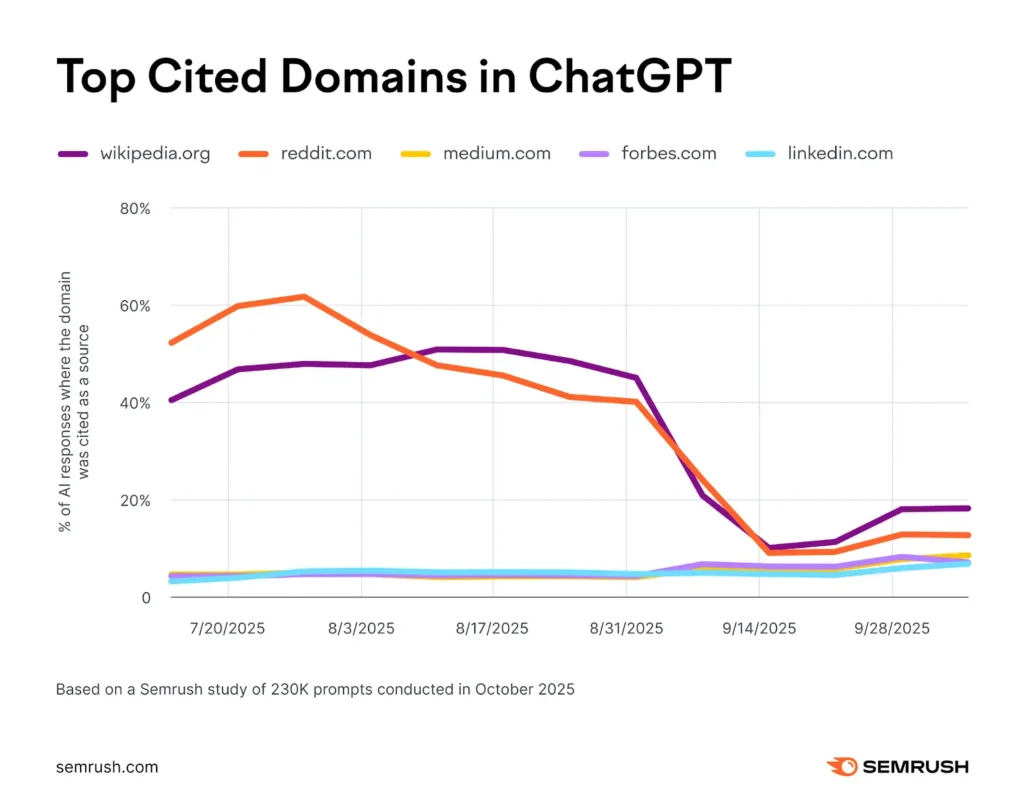
Reddit's influence has always extended beyond its own walls, but in 2026, that's truer than ever. According to a June 2025 Statista study based on Semrush research, Reddit is one of the most frequently cited domains by AI tools — appearing consistently across ChatGPT, Google AI Mode, and Perplexity results.

What that means in plain terms: Reddit threads are shaping how people discover brands, research products, and make purchasing decisions — often before those people ever visit your website. Your brand reputation is being built in Reddit conversations whether you're participating in them or not.

That's not a reason to panic. It's a reason to have a strategy.


The Honest Reason Most Brands Fail on Reddit

Brands fail on Reddit because they treat it like Instagram or LinkedIn — a broadcast channel for polished content and promotional messaging. Reddit is neither of those things.

Reddit is a conversation platform, and its users are exceptionally good at detecting inauthenticity. An account that appears out of nowhere to praise a product, a comment that pivots too quickly to a CTA, a post that reads like a press release — Reddit users will call it out publicly, and those callouts tend to rank in search results too.

The other major failure mode is ignoring subreddit culture. Every community has its own rules, tone, inside references, and tolerance for outside brands. What works in r/entrepreneur will get you banned in r/personalfinance. There's no universal approach, and brands that don't invest the time to understand individual communities will consistently get it wrong.

The hard truth: Reddit is not a platform you can manage with a template, a junior coordinator, and a content calendar. It requires genuine expertise — in the platform, in the communities, and in your own brand's voice.


What It Actually Takes to Win on Reddit

There's a version of Reddit marketing advice that reads like a DIY checklist: spend a few weeks lurking, build up some karma, be transparent about who you are, lead with value. That advice isn't wrong — but it dramatically undersells the complexity of doing this well at a brand level.

Here's a more honest picture of what a successful Reddit strategy actually involves:

Deep community research before any activation. Not a week of casual browsing. Real analysis of which subreddits contain your target audience, what content earns trust in those communities, what the moderation culture looks like, and where the genuine gaps in conversation are that your brand can credibly fill.

A long-term presence, not a campaign. Reddit rewards consistency. Brands that show up to participate only when they have something to promote are easily identified — and remembered. The brands that win on Reddit treat it as an ongoing channel, not a one-time activation.

Genuine transparency, not performative transparency. Reddit communities respect honesty, but they can tell the difference between a brand that's actually open and one that's doing a rehearsed version of openness. AMAs (Ask Me Anything) with brand representatives can be incredibly powerful, but only when the person responding has real authority to answer hard questions.

Strategic use of Reddit Ads. Promoted posts on Reddit can work, but only when they match the native feel of the platform. Generic display advertising gets ignored. Ads that read like organic Reddit content — with actual substance, written in platform-native language — perform significantly better. The key is knowing the difference, and knowing which subreddits are worth paying to reach.

Proactive reputation monitoring. Reddit is one of the most important places to track what people are saying about your brand. These conversations are indexed, they surface in AI-generated answers, and they influence purchase decisions. You need to know what's being said and have a clear protocol for how to respond — especially to criticism.

Doing all of this well is not a side project. For most brands, it's the difference between Reddit being a growth channel and Reddit being a liability.


Should Your Brand Be on Reddit?

Yes — but only if you're willing to approach it on Reddit's terms, not yours.

Reddit doesn't reward promotion. It rewards contribution. The brands building real equity on the platform are the ones that show up as genuine participants in communities, not as advertisers looking for an audience. That requires patience, platform fluency, and a willingness to play a longer game than most marketing channels demand.

If you're looking for quick wins through direct selling or awareness-only ad campaigns, Reddit will likely disappoint you. But if you're building a brand that wants to be part of the conversations your customers are already having — and influence how those conversations show up across search and AI — Reddit is one of the most valuable channels available right now.

The question isn't really whether Reddit works. The question is whether your brand is ready to do the work it takes.


Turn Reddit Into a Real Growth Channel

We help brands build community-first Reddit strategies grounded in authenticity, platform expertise, and long-term thinking — not templates. If you're ready to stop leaving Reddit visibility on the table, let's talk.

Should Your Brand Work With Nano Influencers?

Nano influencers have become one of the most valuable marketing tools in 2026. As brands face rising advertising costs, algorithm shifts, and saturated audiences, working with influencers with smaller but highly engaged followings offers companies something rare: trustworthy, niche advocacy that feels authentic to audiences. This guide will walk you through what nano influencers are, why they matter, and how to work with them effectively.


What Are Nano Influencers?

Nano influencers are creators with smaller social followings—typically 1,000-10,000—who have tight-knit, highly engaged audiences. Unlike macro or celebrity influencers, nano influencers often feel like peers to their followers, which can make their endorsements feel more genuine and authentic.

Think of a nano influencer as a trusted voice in a specific niche (whether that’s a local community, a hobby, or a lifestyle segment) rather than a broad‑appeal celebrity. Because their audiences are smaller but more connected, their recommendations tend to be more meaningful.


Why Nano Influencers Matter for Brands in 2026

In 2026, social platforms reward authenticity and engagement more than reach alone. Top brands are prioritizing partnerships that feel human and help foster community, rather than just visibility. Social marketing trends, agencies, and brands are shifting from celebrity endorsements to micro‑partner collaborations that deliver high engagement and resonance with target audiences.

Here’s why they matter:

Authentic engagement: smaller followings often mean stronger two‑way conversations between creator and audience.
Cost effectiveness: compared to macro influencers or paid ads, nano collaborations are more accessible for diverse brand budgets.
Niche targeting: nano influencers often serve highly specific sub‑communities that align directly with a brand’s ideal customer profile.

This shift aligns with modern social marketing strategy: instead of chasing massive audience counts, brands are investing in creators whose followers are already predisposed to trust their insights.


How Influencers Fit Into a Modern Marketing Strategy

Nano influencers shouldn’t replace your broader content strategy. Paid ads and organic content still fuel discovery, while nano influencer partnerships help deepen connection by validating your brand through trusted voices.

When used strategically, they help:

• Validate product launches through real‑world social proof
• Generate authentic user‑generated content (UGC) that your brand can reuse
• Reach niche segments more meaningfully than traditional ads

These tactics tie back to broader 2026 trends, showing that layered strategies deliver the strongest engagement and long‑term audience loyalty.


How to Identify the Right Nano Influencer

Finding the right influencer goes beyond follower counts. Brands should look for:

Engagement quality: consistent, organic interactions on posts
Audience relevance: followers who match your core demographics and interests
Content alignment: a creator whose style supports your brand voice

Here are some of our favorite tools for finding the right influencers.


What to Expect When Working With Nano Influencers

Many brands worry that smaller creators lack professionalism, but many nano influencers are enthusiastic collaborators who know their audiences well. When planning collaborations, consider:

Authentic storytelling: let the influencer frame your brand in their own voice
Creative freedom: avoid overly restrictive briefs that stifle authenticity
Clear KPIs: define success in terms of engagement quality and community response, not just impressions

This approach aligns with broader advice on influencer marketing success: focus on relevance and authenticity rather than follower count alone.


Best Practices for Working With Influencers

To succeed with nano influencer collaborations, keep these best practices in mind:

Common Mistakes to Avoid

Successful influencer marketing works best when partnerships feel genuine, mutual, and aligned with audience expectations.


Ready to Work With Influencers?

If you want support building an influencer strategy that actually drives results, That RANDOM Agency’s influencer marketing framework can help connect your brand with creators that resonate and amplify your impact. 

Using Instagram Broadcast Channels to Grow Your Brand: 2026 Guide

Launched in February 2023, Instagram Broadcast Channels have quietly become one of the most important brand‑owned distribution tools on social media. 

In a landscape where organic reach is volatile, paid costs are rising, and AI‑driven discovery is reshaping how audiences encounter content, Broadcast Channels offer something brands have been losing for years: a direct line to their most engaged followers.

This guide breaks down what Broadcast Channels are, why they matter now, and how to use them strategically as part of a future‑ready content and visibility strategy.


Why Do Instagram Broadcast Channels Matter?

User behavior has shifted from open browsing toward curated discovery, where AI systems and recommendation layers filter what audiences see. 

Google’s official guidance on creating helpful, reliable, people‑first content explains how modern discoverability systems prioritize signals of expertise and audience value over superficial engagement alone.

Instagram Broadcast Channels align with this shift because they prioritize opt‑in communication. Followers choose to receive your messages, signaling intent and relevance — both powerful signals for AI systems that summarize or recommend brand insights across search and AI interfaces.

Unlike public posts or Reels, Broadcast Channels are not optimized primarily for virality. They are optimized for sustained engagement and community. 


What Are Instagram Broadcast Channels?

Instagram Broadcast Channels are one‑to‑many messaging spaces where creators and brands can share updates directly with followers.

Only the brand or creator can send messages, while followers can react with emoji responses or participate in polls, making the channel far more controlled than group chats or comment threads.

These channels function like an owned newsletter inside the Instagram app. 

Instagram designed this tool to help creators “deepen connections with their followers,” allowing text, images, voice notes, and polls within the channel. 

How Broadcast Channels Fit Into a Modern Content Ecosystem

A common mistake brands make is treating Instagram Broadcast Channels as just another place to repost feed content.


Setting Up With Strategic Intent

Before launching an Instagram Broadcast Channel, ask one question: What ongoing value will someone receive by staying subscribed?

High‑performing channels tend to fall into one of five categories:

The channel’s name, description, and initial messages should clearly signal which category the channel serves. Clear expectations improve retention, encourage engagement, and ultimately reinforce long‑term visibility.

Instagram allows you to promote your channel via Stories and profile notifications. Use that promotional window to set expectations — channels that promise “weekly insights” outperform vague invitations because they signal predictable value.


What Should You Post on Broadcast Channels?

Below are content structures that work especially well in Instagram Broadcast Channels.

  1. The Weekly Signal
    Once a week, share one insight, trend, or data point your audience should care about. This could reference industry shifts, platform updates, or audience behavior.
  2. Context Before Content
    When you publish a Reel, blog, or campaign, use the Broadcast Channel to share the story or process behind it. This behind-the-scenes context increases comprehension and deepens trust.
  3. Micro Case Studies
    Short case studies work exceptionally well in Broadcast Channels. Focus on the problem, decision, and outcome. You do not need metrics every time. The goal is pattern recognition.
  4. Opinionated Takes (With Reasoning)
    Broadcast Channels are ideal for nuanced opinions that might get flattened in public feeds. Explain your reasoning clearly. Even if followers disagree, thoughtful positioning builds credibility.
  5. Poll-Led Content
    Use polls to guide future content or test assumptions. This creates lightweight interaction without turning the channel into a discussion thread. It also generates first-party audience insights that can inform broader strategy.

While Instagram content itself is not indexed like traditional web pages, its influence on SEO and AI visibility is indirect but substantial.

AI systems learn from patterns of authority, repeated citation, and cross‑platform consistency. Instagram Broadcast Channels help by:


Ready to Optimize Your Instagram Strategy?

At That RANDOM Agency, we help brands build AI‑ready content strategies that blend structured authority, real user insights, and measurable visibility gains. If you want to understand where your content stands and how to improve its AI impact, let’s talk.

YouTube Next Gen Report: How Brands Can Capitalize on Creative Maximalism in 2025

Gen Z is not just another age group. They are the first generation raised in a fully digital environment, where YouTube, social media, and gaming are as familiar to them as TV and movies were to earlier generations. They do not simply consume content; they create, remix, and share it as a form of identity and community building.

The YouTube Next Gen Report reveals that young audiences are active cultural participants. Their digital literacy makes them not only savvy consumers but also influential creators. This shift has given rise to a new creative language known as Creative Maximalism, a visually complex, deeply referential, and global style.

This new language presents both a challenge and an opportunity for brands. To connect with Gen Z, brands need to understand their cultural codes, habits, and expectations of media.


Why Gen Z’s Media Habits Matter for Brands

Traditional media is losing ground with young people. Deloitte reports that Gen Z spends 26 percent less time watching TV and movies than the average person while spending 54 percent more time on social platforms and with user-generated content. That equals almost an extra hour per day spent with UGC.

Why? Traditional media does not reflect their world. Research shows that less than one-third of teens feel TV and movies depict their lives, including school, family, gaming, and online communities. So, they have turned to YouTube, TikTok, and social platforms, where content created by their peers is more authentic and relatable.

This shift means that brand stories told in traditional formats often feel out of touch. To stay relevant, brands must enter the spaces where young people spend their time and embrace the creative styles that resonate there.


The Four Elements of Creative Maximalism

1. Audio/Visual Complexity

Gen Z has grown up with dense digital interfaces like video game HUDs and anime visuals. They are used to processing multiple layers of information at once. This shows up in content filled with fast edits, on-screen text, emoji overlays, and various narratives in a single frame.

For brands, this means traditional “clean and simple” creative may not grab attention. Instead, when done authentically, maximalist visuals can feel native and engaging. The NFL, for example, has leaned into this aesthetic with chaotic but captivating schedule release videos.

2. Narrative Co-Creation

Gen Z does not just watch stories; they expand them. Whether through fan art, community lore, or remix videos, audiences see themselves as co-owners of the content. EPIC: The Musical is a perfect example, growing from a single creator’s project into a global phenomenon with fans contributing animations, music videos, and theories.

Brands that leave room for fan participation through challenges, remixable formats, or open storytelling stand to build deeper connections and longer-lasting engagement.

3. Internet Referentiality

Inside jokes, memes, and cultural references are the glue of online communities. The more references a viewer understands, the more they feel they belong. From cat memes evolving into a whole cinematic universe to viral gaming dances, referential content signals cultural fluency.

For marketers, this means memes and cultural callbacks are not optional fluff. They are core to how Gen Z communicates. The key is authenticity. A brand that fakes fluency risks alienating its audience, while one that genuinely participates can earn trust and attention.

4. Global Influence

Gen Z grew up with the entire world’s entertainment available on demand. A Korean animation, a Brazilian music remix, or a French lo-fi meme can be just as influential as a Hollywood blockbuster. Auto-translated captions and global fandoms mean cultural borders no longer apply.

Brands that stick only to local trends risk missing out. By experimenting with non-local content, sounds, or collaborations, brands can demonstrate cultural openness and appeal to Gen Z’s global mindset.


What This Means for Marketers

Creative Maximalism is not a fad. Major brands and cultural institutions are already adopting it. Snack brands like Nutter Butter are experimenting with chaotic, referential social posts. The NFL is producing maximalist videos. Even Hollywood is scouting YouTube-born franchises like Skibidi Toilet.

More importantly, generative AI makes it easier for young people to create visually complex and referential content. The rise of Italian Brain Rot, with over 450,000 uploads in 2025, shows how AI and Gen Z creativity are coming together.

For brands, the future is clear. Polished perfection is out. Participatory, layered, and culturally fluent storytelling is in.


Prioritize Digital-First Campaigns

Gen Z lives online. Your campaigns should start with platforms like YouTube and TikTok, not be repurposed for them.

Experiment with Maximalist Storytelling

Try bold visuals, layered edits, and referential content. The aim is not to overwhelm, but to speak in a visual language that feels native to young audiences.

Invite Co-Creation

Open the door for fan involvement. Whether through remixable formats, UGC campaigns, or open-ended stories, co-creation helps your audience feel ownership.

Learn the Internet’s Shared Language

Memes, slang, and in-jokes are part of Gen Z’s identity. But you cannot fake it. Commit to understanding the culture behind the references you use.

Balance Innovation with Timeless Motivations

At their core, young people still want identity, community, and representation. Brands that align with these motivations will connect most deeply.


Creative Maximalism Brand Checklist

Before diving in, here are practical steps to get started:


Ready to Adapt with That RANDOM Agency

Creative Maximalism is here to stay. At That RANDOM Agency, we help brands move beyond traditional campaigns into storytelling that thrives in a participatory, internet-first world.

If you are ready to embrace maximalism, create co-creation opportunities, and speak Gen Z’s language authentically, reach out to our team. Together, we will ensure your brand is keeping up and leading the conversation. Contact us today!